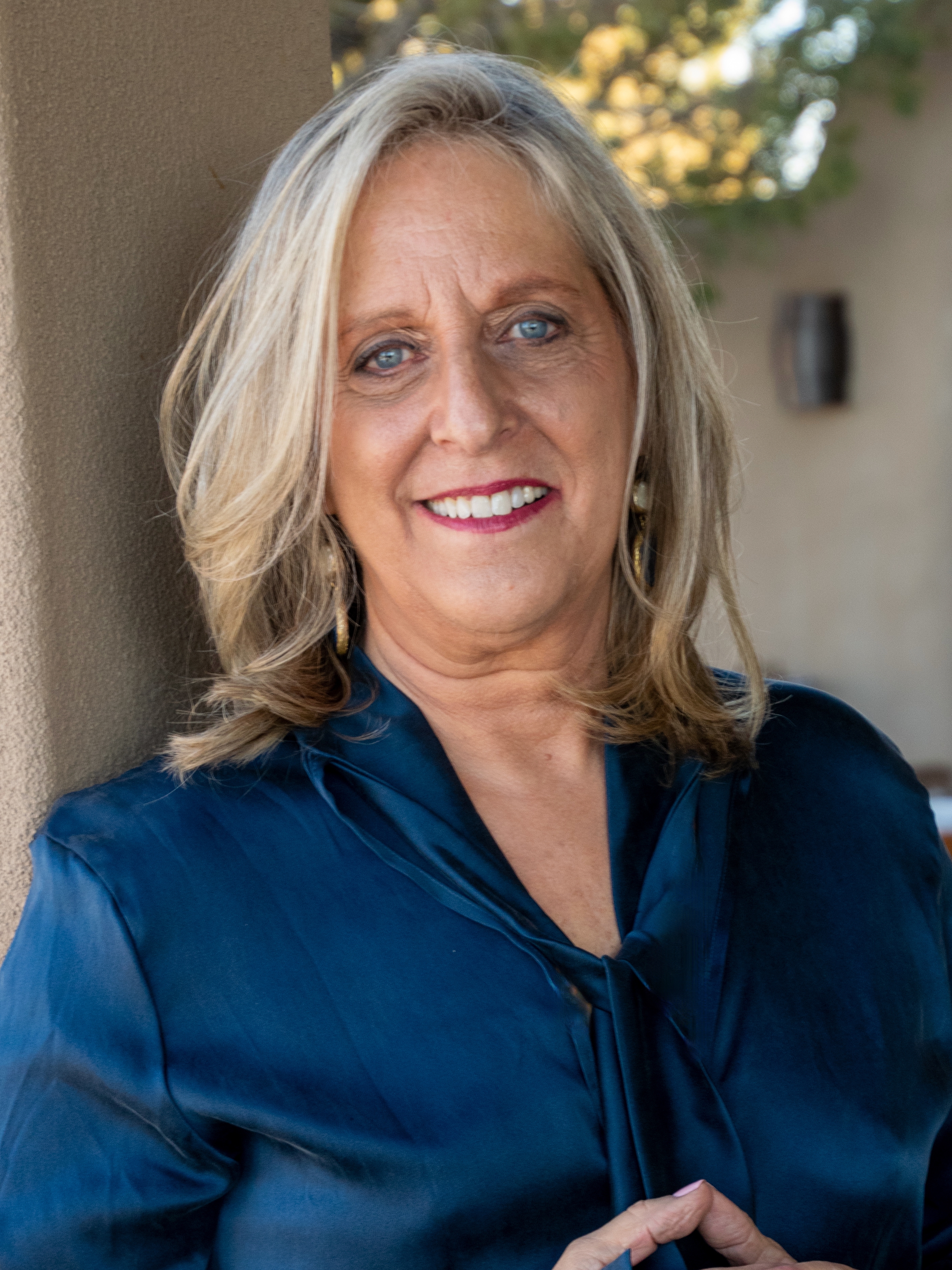
Authentic Desire: When Your Body Won't Fake Yes
What aging, desire, and a truthful “no” can teach us about deeper intimacy
The other day, I was standing in the kitchen making tea when my phone buzzed.
A message came in asking if I could do something “really quick.”
You know those “really quick” things that are never really quick?
I looked at the message, looked at the pile of things already waiting for me, and before I had taken one full breath, I started typing:
“Of course.”
But my body had a different answer.
My shoulders lifted. My jaw tightened. I felt that familiar little squeeze inside — the one that says, you didn’t actually ask me.
So I deleted the message.
I took a breath.
And instead of “of course,” I wrote:
“I can’t do that today, but I can get back to you tomorrow.”
Simple. Honest. Not dramatic.
And my whole body softened.
That small moment got me thinking about one of the quiet gifts of aging.
Not the glossy kind we’re told to celebrate.
But the real kind.
The kind where the body becomes less willing to participate in our own self-abandonment.
The kind where we have less energy for pretending.
Less appetite for performance.
Less patience for a yes that costs us too much.
Sometimes our no gets stronger because we’ve grown wiser.
And sometimes it gets stronger because we simply can’t keep faking what our body already knows.
The Quiet Gift of a Clear No
Many of us were taught, directly or indirectly, that being loving meant being agreeable.
We learned to smooth things over. To anticipate what others wanted. To say yes quickly. To avoid disappointing people. To keep the peace.
And for a while, we may have been very good at it.
We may have become experts at the polite yes, the vague no, the “I’m fine,” the “whatever you want,” the “sure, if that’s easier.”
But over time, the body begins to tell the truth more loudly.
The resentment becomes harder to hide.
The exhaustion becomes harder to override.
The contraction becomes harder to ignore.
Aging can bring us closer to our limits, but it can also bring us closer to our truth.
And in intimacy, that truth matters.
When No Creates More Intimacy, Not Less
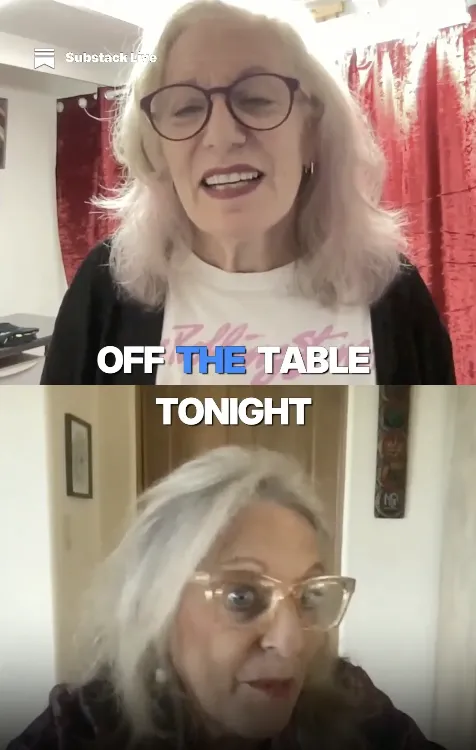
This came up so clearly in my conversation with Suzanne Noble of Sex Advice for Seniors, as part of my series The House of Intimacy with Amara Charles.
We were talking about sex, aging, desire, and the language we need when our bodies start asking for something different.
And one thing has stayed with me:
A truthful “no” makes space for a trustworthy “yes.”
Because no doesn’t always mean rejection.
Sometimes no means:
“I want to stay close, but I need to go slower.”
“I want to be near you, but I don’t want intercourse tonight.”
“My body needs more time.”
“I’m open to this, but not that.”
“I want connection, but I need a different kind of touch.”
This kind of no can actually make intimacy safer.
Because when the body knows it won’t be overridden, it can relax.
And when it relaxes, desire has more room to return.
Why This Matters in Later-Life Intimacy
Intimacy in later life often asks us to stop performing and start listening.
The old sexual scripts may not fit anymore.
The body may respond differently. Desire may take longer to arrive. Arousal may need more tenderness. Certain kinds of touch may no longer feel the way they once did. What used to work automatically may now require conversation, patience, humor, and creativity.
And this is not failure.
It is an invitation.
An invitation to become more honest. Real.
An invitation to discover what intimacy can feel like now, rather than trying to recreate what it used to be.
But that discovery requires truth.
If we keep saying yes when our body is saying wait, intimacy can start to feel like performance.
If we keep offering vague no’s, half-no’s, almost-no’s, or reluctant yeses, we may begin to feel further away from ourselves — and from the person we love.
Not because desire is gone.
But because truth has not been given enough room.
The Body Knows When We Override It
The body is always listening.
It knows the difference between a yes that is alive and a yes that is automatic.
It knows the difference between willingness and obligation.
It knows the difference between openness and compliance.
This matters deeply in intimate relationships, especially as we age.
Because slowing down is not just about moving more slowly physically.
It is about creating enough space to notice what is actually true.
Do I want this?
Do I need more time?
Do I feel safe enough to open?
Is my yes coming from desire, or from habit?
Is my no clear enough to be trusted?
These are not always easy questions!
But they are intimate questions.
And when we are willing to ask them, we begin to create a different kind of connection — one that is less about performance and more about presence.
A Truthful No Builds Trust
A truthful no is not the enemy of intimacy.
A vague yes may be.
Because when we say yes but mean no, part of us has to leave the room.
The body may stay, but the self retreats.
Over time, that can create distance, resentment, shutdown, or confusion.
But when a no is allowed — really allowed — something else becomes possible.
The body learns, I will not be forced.
The heart learns, I can tell the truth and still be loved.
The relationship learns, We can stay connected without pretending.
That is where trust grows.
And where trust grows, desire has a place to land.
Watch the Conversation
In this clip from The House of Intimacy series with Amara Charles, I speak with Suzanne Noble of Sex Advice for Seniors about why slowing down, telling the truth, and honoring the body’s no can create more space for desire in later life.
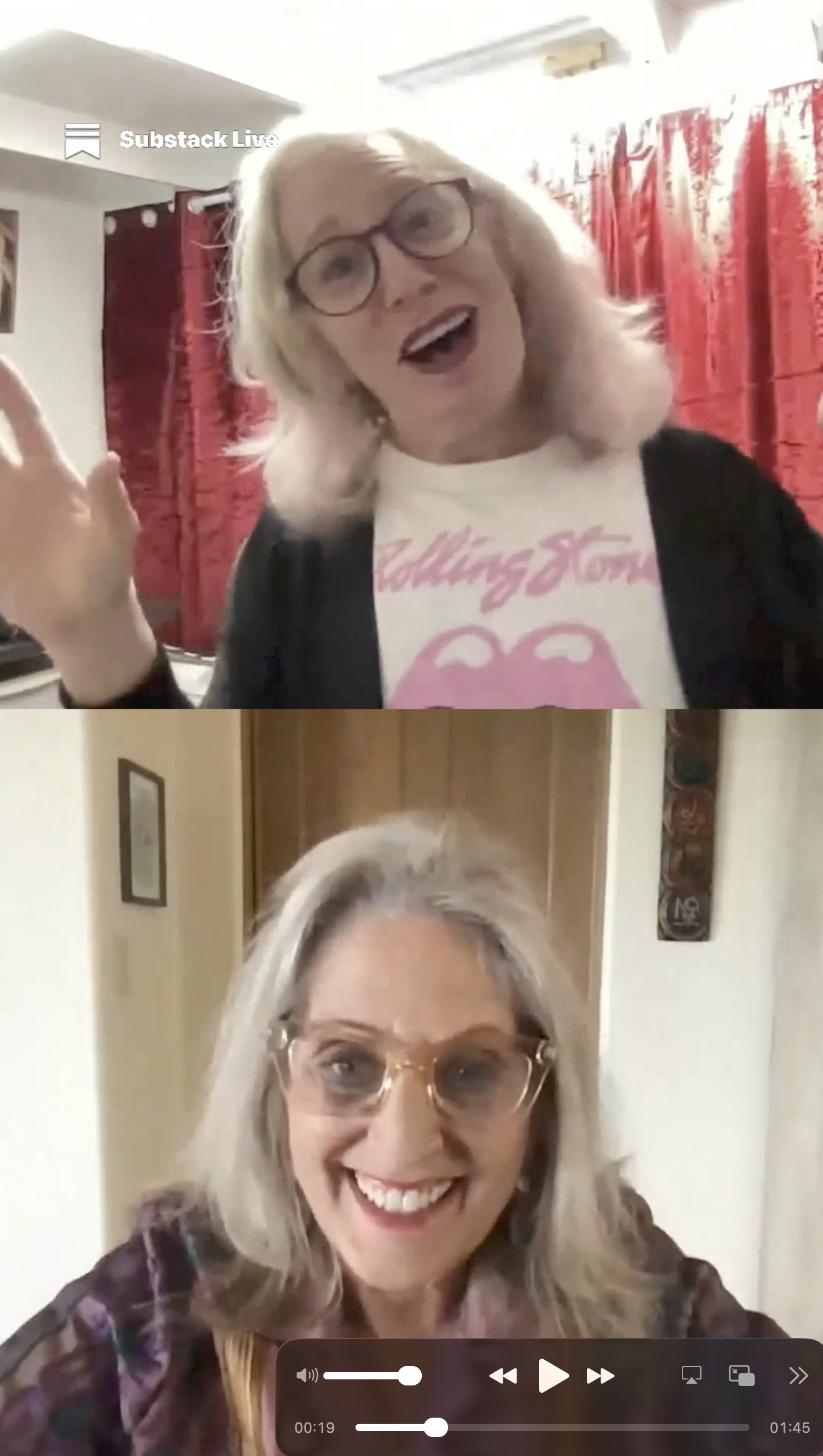
This conversation is part of The House of Intimacy, a series on aging, sexuality, desire, and what becomes possible when we stop trying to do intimacy the old way and begin listening to what is true now.
An Invitation to Slow Down
If this resonates with you, take a moment today to notice:
Where am I saying yes before my body has had a chance to answer?
Where has my no become vague, apologetic, or hard to hear?
Where might a more truthful no create room for a more honest yes?
And if you’re ready to explore this more deeply, I’d love to invite you to my LIVE retreat, where we’ll explore how to slow down intimacy in later life — not as a problem to fix, but as a doorway into more honesty, presence, pleasure, and connection.
Quodoushka 1 Spiritual Sexuality for Singles and Couples
Because intimacy in later life doesn’t have to be about keeping up with who you used to be.
It can be about finally listening to who you are now.
Ready to Explore Intimacy in Later Life?
If this speaks to something in you, I’d love to invite you to go deeper through one of my upcoming experiences.
Join me for Quodoushka 1: Spiritual Sexuality for Singles and Couples, a live retreat where we’ll explore intimacy as a path of presence, truth, pleasure, and embodied connection.
Together, we’ll practice slowing down, listening to the body, honoring the truth of yes and no, and discovering what desire and connection can become in this season of life.
Explore the live retreat:
Quodoushka 1: Spiritual Sexuality for Singles and Couples
For couples ready for a deeper immersive experience, I’ll also be co-leading the Mystic Rapture Couples Retreat in Costa Rica — a space for deepening intimacy, reconnection, sensual presence, and conscious partnership.
Learn more about the couples retreat:
Mystic Rapture Couples Retreat Costa Rica
And if you’d like personal support in navigating your own relationship questions, I have time for a few complimentary Relationship Clarity Calls this week before I go on retreat.
Book your complimentary call:
Complimentary Relationship Clarity Call
You’re also warmly invited to subscribe to my Substack, where I share reflections on relationships, sex, desire, aging, marriage limbo, and the art of slowing down intimacy so the body can finally tell the truth.
Subscribe to Amara Charles on Substack:
https://amaracharles.substack.com/